
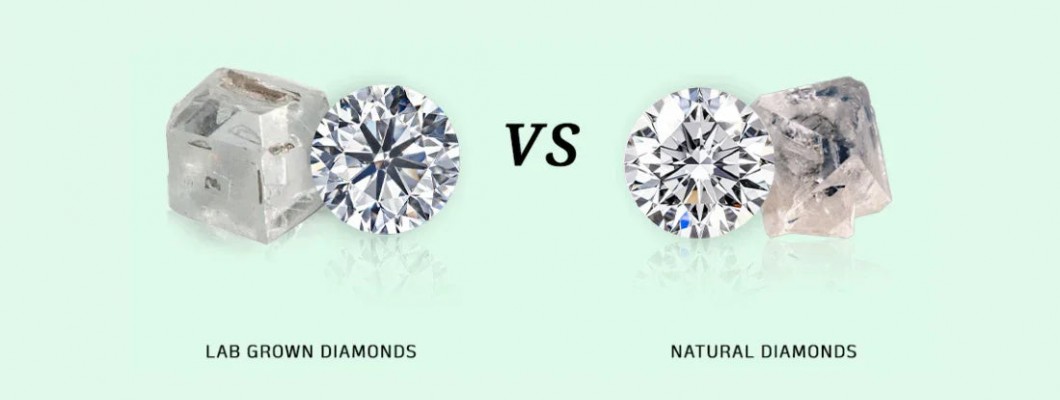
Diamonds have always symbolized love, luxury, and timeless beauty. Traditionally, natural diamonds mined from the earth were the only option available to buyers. However, advancements in technology have introduced lab-grown diamonds, offering a modern and ethical alternative. At Gold Mart, we understand that today’s consumers want both beauty and responsibility in their jewelry choices. Many buyers are curious to know what lab-grown diamonds are and how they differ from natural diamonds. This blog explains the key differences, benefits, and factors to consider when choosing between the two.
What Are Lab-Grown Diamonds?
Lab-grown diamonds are real diamonds created in highly controlled laboratory environments using advanced technological processes. These processes replicate the natural conditions under which diamonds form deep within the earth, such as extreme heat and pressure. As a result, lab-grown diamonds have the same chemical composition, crystal structure, and optical properties as natural diamonds.Unlike diamond simulants such as cubic zirconia or moissanite, lab-grown diamonds are not imitations. They are genuine diamonds, tested and graded using the same standards as mined diamonds. To the naked eye—and even under professional equipment—lab-grown and natural diamonds appear identical.
How Natural Diamonds Are Formed
Natural diamonds are formed over billions of years beneath the earth’s surface through intense heat and pressure. They are extracted through mining, which involves significant land excavation and resource use. Once mined, diamonds are cut, polished, and graded before reaching the market.The rarity and long formation process of natural diamonds have traditionally contributed to their high cost. Mining operations also require extensive labor, logistics, and infrastructure, which further impact pricing.
Key Differences Between Lab-Grown and Natural Diamonds
Origin: The most fundamental difference lies in their origin. Lab-grown diamonds are created in laboratories within weeks, while natural diamonds take billions of years to form beneath the earth.Price: Lab-grown diamonds are generally more affordable than natural diamonds of the same quality. Because they can be produced in controlled environments without mining, production costs are lower, making them an attractive option for value-conscious buyers.
Environmental Impact: Lab-grown diamonds are considered a more eco-friendly choice. They require significantly less land disruption and reduce the environmental impact associated with traditional mining. For buyers who value sustainability, this is an important factor.
Ethical Considerations: Lab-grown diamonds offer greater transparency in sourcing. Since they are created in laboratories, concerns related to conflict diamonds or unethical mining practices are minimized.
Certification and Quality: Both lab-grown and natural diamonds are graded on the same 4Cs—cut, color, clarity, and carat. Reputable sellers provide certification from recognized grading authorities, ensuring authenticity and quality regardless of origin.
Are Lab-Grown Diamonds Real Diamonds?
Yes, lab-grown diamonds are 100% real diamonds. They share the same hardness, brilliance, and durability as natural diamonds. The only way to distinguish them is through specialized equipment that identifies their growth origin.This makes lab-grown diamonds suitable for all types of fine jewelry, including engagement rings, earrings, pendants, and bracelets.
Why More Buyers Are Choosing Lab-Grown Diamonds?
Modern consumers are increasingly informed and value-driven. Lab-grown diamonds appeal to those seeking high-quality diamonds at a more accessible price point, without compromising on beauty or authenticity. They also resonate with environmentally conscious and ethically minded buyers.Brands like Gold Mart focus on offering certified lab-grown diamonds that combine elegance, transparency, and value, making luxury more accessible to a wider audience.
Choosing Between Lab-Grown and Natural Diamonds
The choice ultimately depends on personal preference, budget, and values. If tradition and rarity are important, a natural diamond may feel more meaningful. If affordability, sustainability, and ethical sourcing matter more, lab-grown diamonds are an excellent alternative.Both options offer timeless beauty and lasting value when purchased from a trusted seller.
Conclusion
Lab-grown diamonds represent the evolution of fine jewelry, blending technology with tradition. While natural diamonds carry historical significance, lab-grown diamonds provide the same brilliance and durability with added benefits such as affordability and sustainability. Understanding the differences empowers buyers to make confident and informed decisions. Whether you choose lab-grown or natural, what matters most is selecting a diamond that reflects your values and style.FAQs
1. What are lab-grown diamonds and how are they different from natural diamonds?
Lab-grown diamonds are real diamonds created in laboratories using advanced technology. The main difference from natural diamonds is their origin—lab-grown diamonds are made in controlled environments, while natural diamonds are mined from the earth.
2. Are lab-grown diamonds genuine and durable?
Yes, lab grown diamonds are genuine and have the same hardness, brilliance, and durability as natural diamonds, making them suitable for everyday wear.
3. Do lab-grown diamonds come with certification?
Reputable sellers provide proper certification for lab-grown diamonds, graded on the same 4Cs as natural diamonds.
4. Are lab-grown diamonds more affordable than natural diamonds?
Yes, lab-grown diamonds typically cost less than natural diamonds of similar quality, offering better value for money.
5. Is buying lab-grown diamonds an eco-friendly choice?
Lab-grown diamonds have a lower environmental impact compared to traditional mining, making them a more sustainable and ethical option.
Leave a Comment